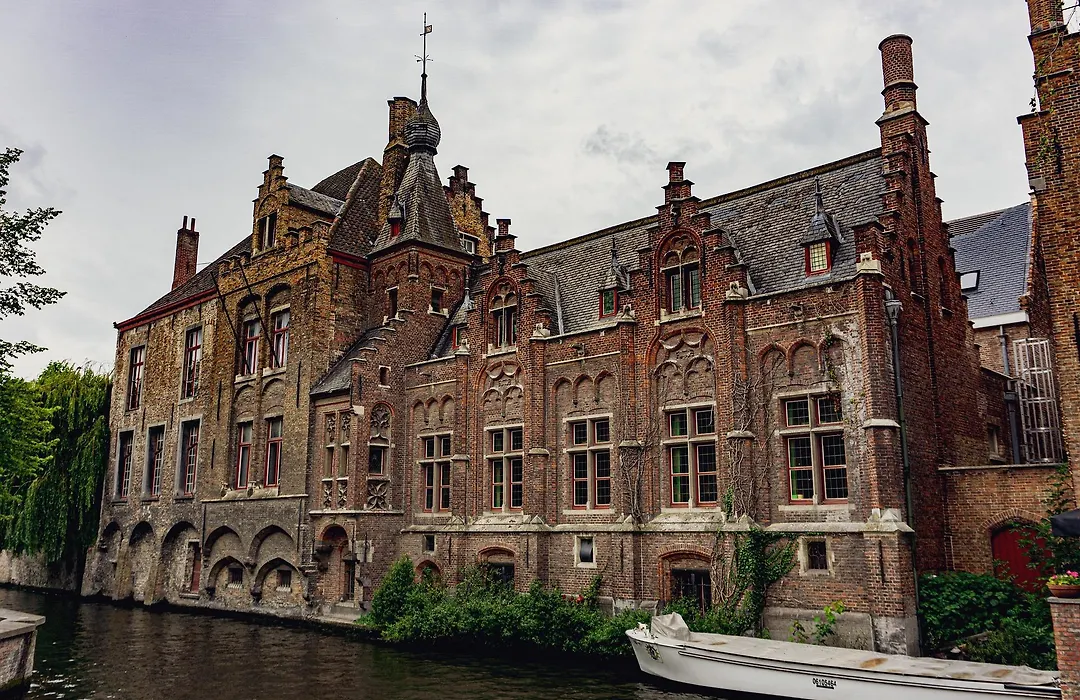
Groeninge Museum: A Journey Through Flemish Art History
June 17, 2025

I spent nearly three hours exploring the Groeninge Museum, captivated by the incredible detail in Jan van Eyck's Madonna paintings and the shocking narrative of Gerard David's historical scenes. The museum is conveniently located near Bruges' central market square, making it easy to combine with other city attractions.
The Groeninge Museum isn't just an art collection-it's a time machine through six centuries of Belgian visual storytelling, from medieval masterpieces to surreal modern canvases. Discover how Flemish artists transformed paint into windows of historical and emotional truth.
Need-to-Know Info Before Visiting The Groeninge Museum


5+
images
The Groeninge Museum Address
Dijver 12, 8000 Bruges, Belgium
The Groeninge Museum Opening Hours
- 🕒 Tuesday-Sunday: 9:30 AM - 5:00 PM
- 🕒 Closed on Mondays
- 🕒 Holidays: Check official website for seasonal variations
How to get to The Groeninge Museum
- 🚗 By car: Park at Centrum parking, 5-minute walk
- 🚌 Public transport: Take bus 45 to Markt stop
- 🚕 Rideshare: Uber and local taxi services available
What is The Groeninge Museum known for?
- World's most comprehensive collection of Flemish Primitive artworks
- Houses masterpieces by Jan van Eyck, including The Virgin and Child with Canon Van der Paele
- Showcases six centuries of Belgian visual art from Renaissance to modern periods
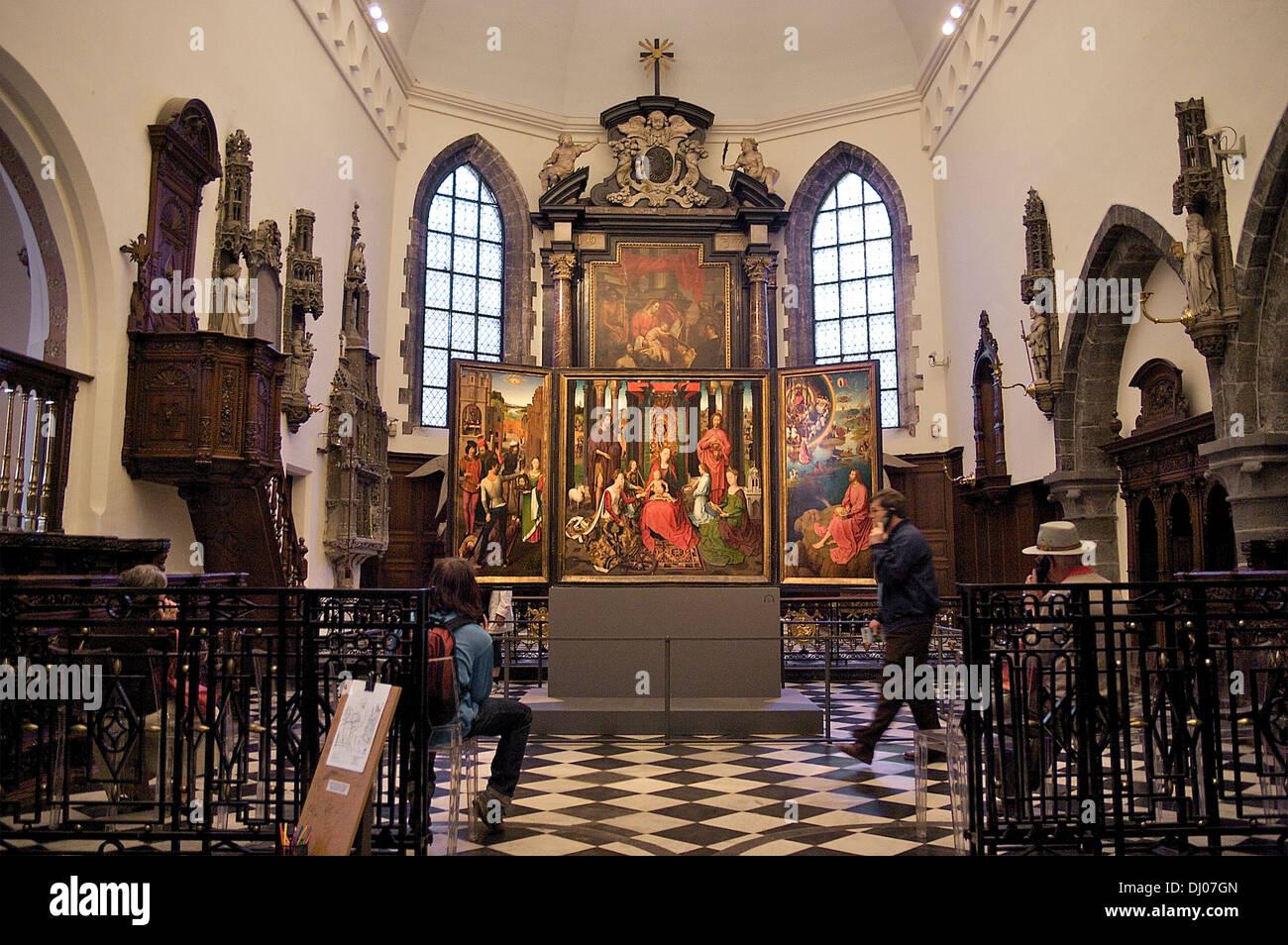
- Features rare works by Hans Memling, including the Moreel Triptych
- Exhibits significant Flemish Expressionist and post-war modern art collections
What is The Groeninge Museum in Bruges?
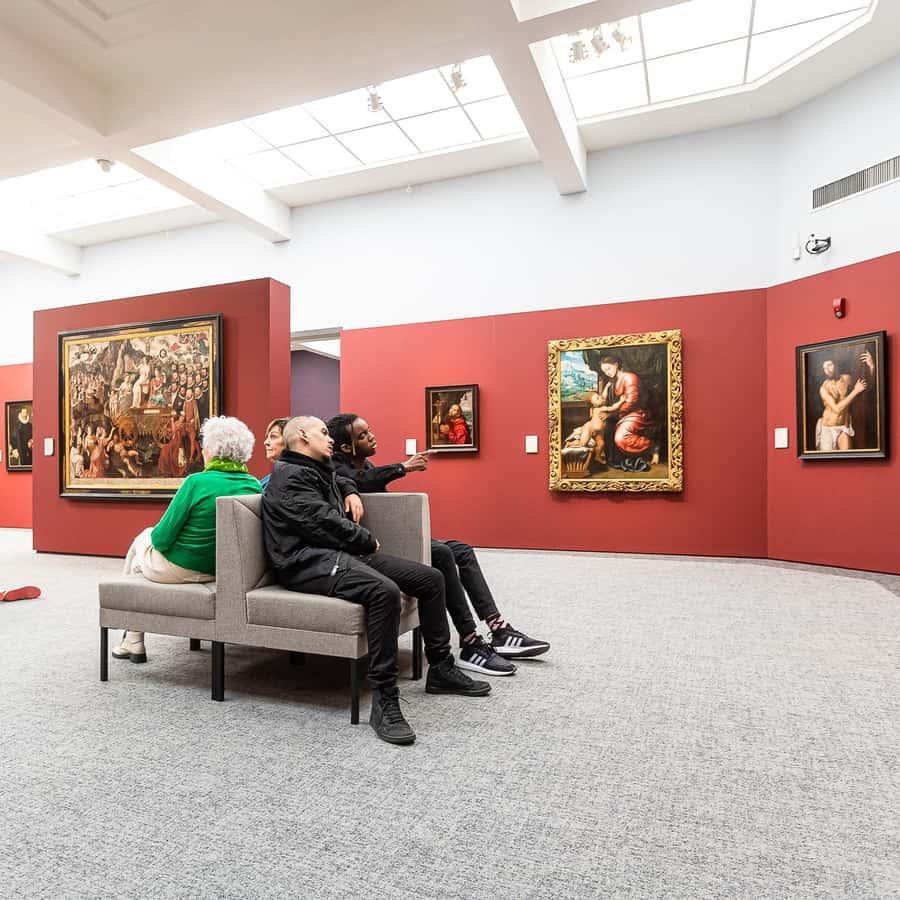
The Groeninge Museum sits in the heart of Bruges as a top-tier destination for art lovers and history buffs. Located on the site of a medieval abbey, this museum attracts over 100,000 visitors annually who come to explore Belgium's most comprehensive art collection. Art enthusiasts can walk through six centuries of Flemish and Belgian painting, from medieval masterpieces to modern art. The museum's layout allows visitors to trace the evolution of Belgian art through carefully curated rooms that showcase works by legendary artists like Jan van Eyck, Hans Memling, and Marcel Broodthaers. International travelers particularly appreciate the museum's collection of Early Netherlandish paintings, which offer a deep dive into the artistic techniques and cultural narratives of Renaissance-era Belgium. Photographers and art students frequently crowd around signature pieces like The Virgin and Child with Canon Van der Paele, making it a hotspot for cultural tourism in Bruges. With its strategic location near the city center and rich, chronological art display, the Groeninge Museum stands as a critical stop for anyone wanting to understand Belgian artistic heritage.
Top things to do at The Groeninge Museum
- Study Jan van Eyck's The Virgin and Child with Canon Van der Paele, a masterpiece of medieval realism
- Explore the Townscapes and Landscapes room for historical scenes of Bruges by Jan Anton Garemijn
- Check out Gerard David's Judgement of Cambyses for its graphic historical narrative
- View the surrealist works by Magritte and Delvaux in the modern art section
- Discover Constant Permeke's Flemish Expressionist paintings depicting peasant life
- Take the museum's audio guide to gain deeper insights into the art periods and artists
- Visit the Hans Memling room to see the famous Moreel Triptych
- Browse the museum shop for art books, prints, and unique Belgian art souvenirs
🎟️ Tickets and Pricing
The Groeninge Museum offers affordable entry for art enthusiasts. Adult tickets cost around €12, with reduced rates for students and seniors at €10. Children under 12 enter free. Online pre-booking is recommended during peak tourist season to avoid long queues. The museum also offers combined tickets with other Bruges cultural attractions, providing excellent value for visitors wanting to explore multiple sites.
🧠 Cultural Significance
The Groeninge Museum represents more than just an art collection-it's a cultural cornerstone of Belgian heritage. It chronicles the artistic evolution of Flemish painting, showcasing how local artists transformed visual storytelling from medieval religious works to modern expressionist pieces. The museum captures Bruges' historical wealth and artistic innovation, serving as a living testament to the city's profound cultural contributions to European art history.
📅 Best Time to Visit
Spring and autumn offer the most comfortable museum experience in Bruges. Weekday mornings are typically less crowded, allowing for more intimate art appreciation. Avoid summer peak tourist months (July-August) when crowds are largest. The museum maintains a consistent temperature, making it an excellent year-round destination, especially during Belgium's unpredictable weather seasons.
History of Groeninge Museum
- 1930: Official establishment of the museum on the site of the medieval Eekhout Abbey
- 1946: First major expansion of art collections after World War II
- 1970: Significant renovation to modernize exhibition spaces
- 1992: Major architectural updates to improve visitor experience
- 2000: Digital cataloging of entire art collection begins
- 2015: Enhanced multimedia guides introduced for international visitors
❗ Tips for Visitors
- Audio guides available in 5 languages
- Photography permitted without flash
- Comfortable walking shoes recommended
- Allow minimum 2 hours for complete museum exploration
- Wheelchair accessible with elevator between floors
- Small museum café offers local Belgian refreshments
- Free WiFi available throughout museum
What are some interesting facts about The Groeninge Museum?
- The museum is built on the site of the medieval Eekhout Abbey, preserving centuries of historical architectural layers beneath its current structure
- Gerard David's Judgement of Cambyses contains one of the most graphic historical narrative paintings in the museum, depicting a live flaying scene that shocked visitors in its time
- The museum's collection spans six centuries, making it one of the most comprehensive timelines of Belgian art evolution under one roof