
St. Walburga's Church: A Hidden Baroque Treasure in Bruges
June 29, 2025

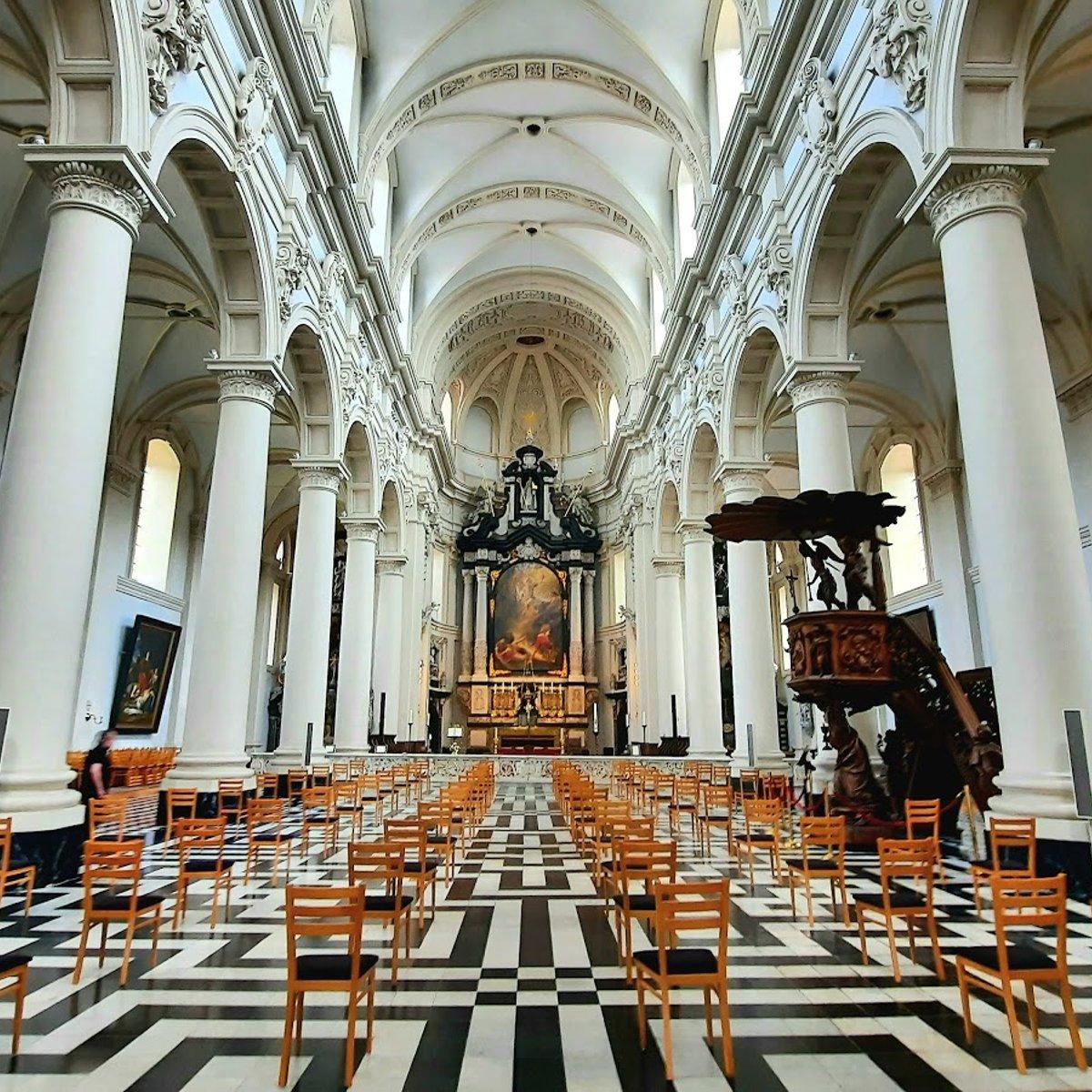
I spent nearly an hour exploring St. Walburga's Church, captivated by its intricate baroque details and peaceful atmosphere. The church is conveniently located near the Markt Square, making it an easy stop during a walking tour of Bruges' historic center.
Step inside a living piece of 17th-century Belgian religious history where baroque artistry meets spiritual silence. St. Walburga's Church holds secrets that go far beyond its stone walls, revealing stories that have whispered through Bruges for centuries.
Need-to-Know Info Before Visiting St. Walburga's Church


5+
images
St. Walburga's Church Address
Walburga Straat 12, 8000 Bruges, Belgium
St. Walburga's Church Opening Hours
- 🕒 Monday-Saturday: 9 AM - 5 PM
- 🕒 Sunday: 10 AM - 4 PM
- 🕒 Closed on major Belgian holidays
How to get to St. Walburga's Church
- 🚗 By car: Parking available at nearby Markt Square
- 🚌 Public transport: Bus routes 3 and 12 stop within walking distance
- 🚕 Rideshare: Uber and local taxi services readily available
What is St. Walburga's Church known for?
- 17th-century Jesuit baroque church with intricate architectural details
- Houses significant religious artifacts and ornate altar pieces from the Baroque period
- Located in the historic center of Bruges, a UNESCO World Heritage site
- Features stunning marble columns and elaborate stucco decorations
- Contains rare religious sculptures depicting biblical scenes
What is St. Walburga's Church in Bruges?
Tucked away in the medieval streets of Bruges, St. Walburga's Church stands as a testament to Belgium's rich religious heritage. This 17th-century Jesuit church draws history buffs and architecture enthusiasts from around the world, attracting thousands of visitors annually. Tourists crowd around its baroque exterior, snapping photos of the intricate stone facade and ornate architectural details that define the building. The church dominates its neighborhood block, with massive marble columns and elaborate stucco work that showcase the grandeur of baroque design. Photographers love capturing the church's details - from its detailed altar pieces to the elaborate religious sculptures depicting biblical scenes. Unlike many tourist spots that feel staged, St. Walburga's maintains an authentic atmosphere of historical significance. Local tour groups frequently include the church in their walking routes, highlighting its importance in Bruges' cultural landscape. While not as famous as some European cathedrals, the church offers a genuine glimpse into 17th-century religious architecture and Belgian cultural history. Visitors can explore the interior free of charge, making it an accessible stop for travelers interested in understanding Bruges' architectural and religious heritage.
Top things to do at St. Walburga's Church
- Explore the intricate baroque altar with its detailed gold leaf and marble sculptures depicting biblical scenes
- Admire the original 17th-century stained glass windows that showcase complex religious narratives
- Join the free 30-minute guided tour explaining the church's Jesuit history and architectural significance
- Photograph the ornate organ loft, which features remarkable woodcarving from the original baroque period
- Visit the small church museum displaying rare religious artifacts and historical liturgical vestments
- Check the church's event schedule for occasional classical music concerts performed in the sanctuary
- Observe the detailed religious sculptures near side chapels, each telling a unique spiritual story
- Take a moment of quiet reflection in the dedicated prayer area with historical religious iconography
History of St. Walburga's Church
- 1620: Jesuits establish their presence in Bruges, planning the construction of a significant religious landmark
- 1642: Construction of St. Walburga's Church begins in the baroque architectural style
- 1650: Church completed and consecrated, becoming a central religious site for the local Catholic community
- 1795: French Revolutionary forces temporarily close the church during their occupation of Belgium
- 1800: Church reopens and becomes an important cultural and religious center in Bruges
- 1850: Major restoration work preserves the original baroque architectural elements
- 1970: Recognized as a significant historical monument by Belgian cultural heritage authorities
- 2000: Comprehensive restoration project completes, maintaining the church's historical integrity
Cultural Significance
St. Walburga's Church represents more than a religious building - it's a symbol of Bruges' rich Catholic heritage. The church embodies the city's baroque architectural tradition, serving as a living museum of 17th-century religious art and design. Local residents consider the church a crucial link to their historical and cultural identity, with its intricate artwork and architectural details telling stories of faith and community through centuries.
Tips for Visitors
- Photography is permitted inside the church, but without flash
- Wear respectful clothing - cover shoulders and knees
- Guided tours available in Dutch, English, and French
- Allow at least 45-60 minutes for a comprehensive visit
- Wheelchair accessible with assistance at the main entrance
- Free entry, but donations are appreciated
- Best visited during morning hours for natural lighting
- Nearby restrooms available at local cafés
Tickets
Entry to St. Walburga's Church is free. No advance booking required. Voluntary donations support church maintenance. Optional guided tours cost approximately €5 per person, available at the church entrance.
What are some interesting facts about St. Walburga's Church?
- The church's original organ, dating back to 1685, is still playable and considered one of the oldest functioning baroque organs in Belgium
- During the French Revolutionary period, the church was temporarily converted into a storage warehouse, with local residents hiding valuable religious artifacts to preserve them
- Beneath the church, archaeological excavations have revealed medieval foundations, suggesting the site has been a place of worship since the 13th century
- The church contains a hidden stone marker that indicates the exact geographical center of medieval Bruges, used by local surveyors for centuries