
St. James's Church: A Hidden Gem in Bruges
June 12, 2025

I spent about two hours exploring St. James's Church, fascinated by its intricate baroque interior and the tomb of Mary of Burgundy. The church is conveniently located near Markt square, making it an easy stop during a walking tour of Bruges' historic city center.
St. James's Church holds the final resting place of Mary of Burgundy, a powerful medieval royal who shaped European history. Step inside this 600-year-old architectural marvel where baroque design meets medieval craftsmanship, revealing secrets of Bruges' rich cultural past.
Need-to-Know Info Before Visiting St. James's Church
5+
images
St. James's Church Address
Sint-Jakobsstraat 5, 8000 Brugge, Belgium
St. James's Church Opening Hours
- 🕒 Monday-Saturday: 10:00 AM - 4:30 PM
- 🕒 Sunday: Limited hours, check local schedule
- 🕒 Closed during religious services
How to get to St. James's Church
- 🚗 By car: Park in nearby Markt square parking
- 🚌 Public transport: Take Bus 6 or 16 to Centrum stop
- 🚕 Rideshare: Easily accessible via Uber in Bruges
What is St. James's Church known for?
- Medieval Gothic church dating back to 1420 with significant baroque interior renovations
- Houses important artworks including sculptures by Bruges master sculptors
- Located in historic city center, part of UNESCO World Heritage site
- Architectural blend of Gothic and baroque architectural styles
- Significant cultural and religious landmark in Bruges
What is St. James's Church in Bruges?
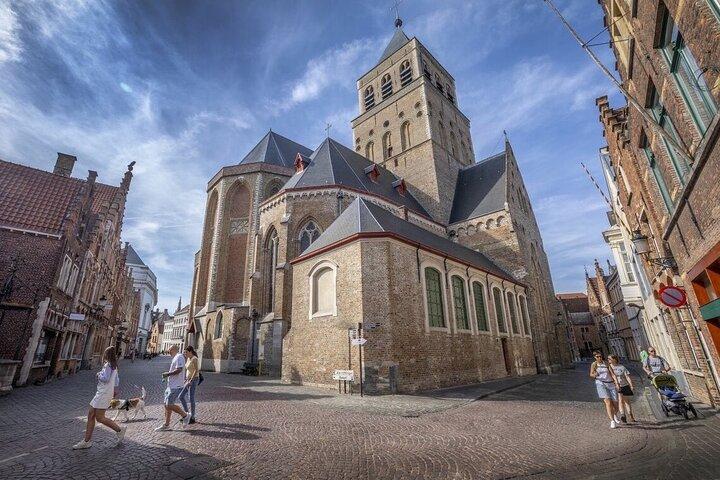
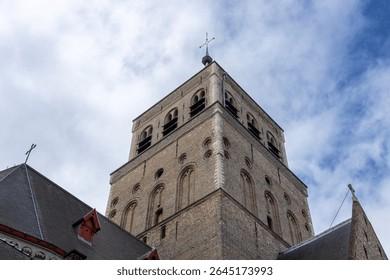
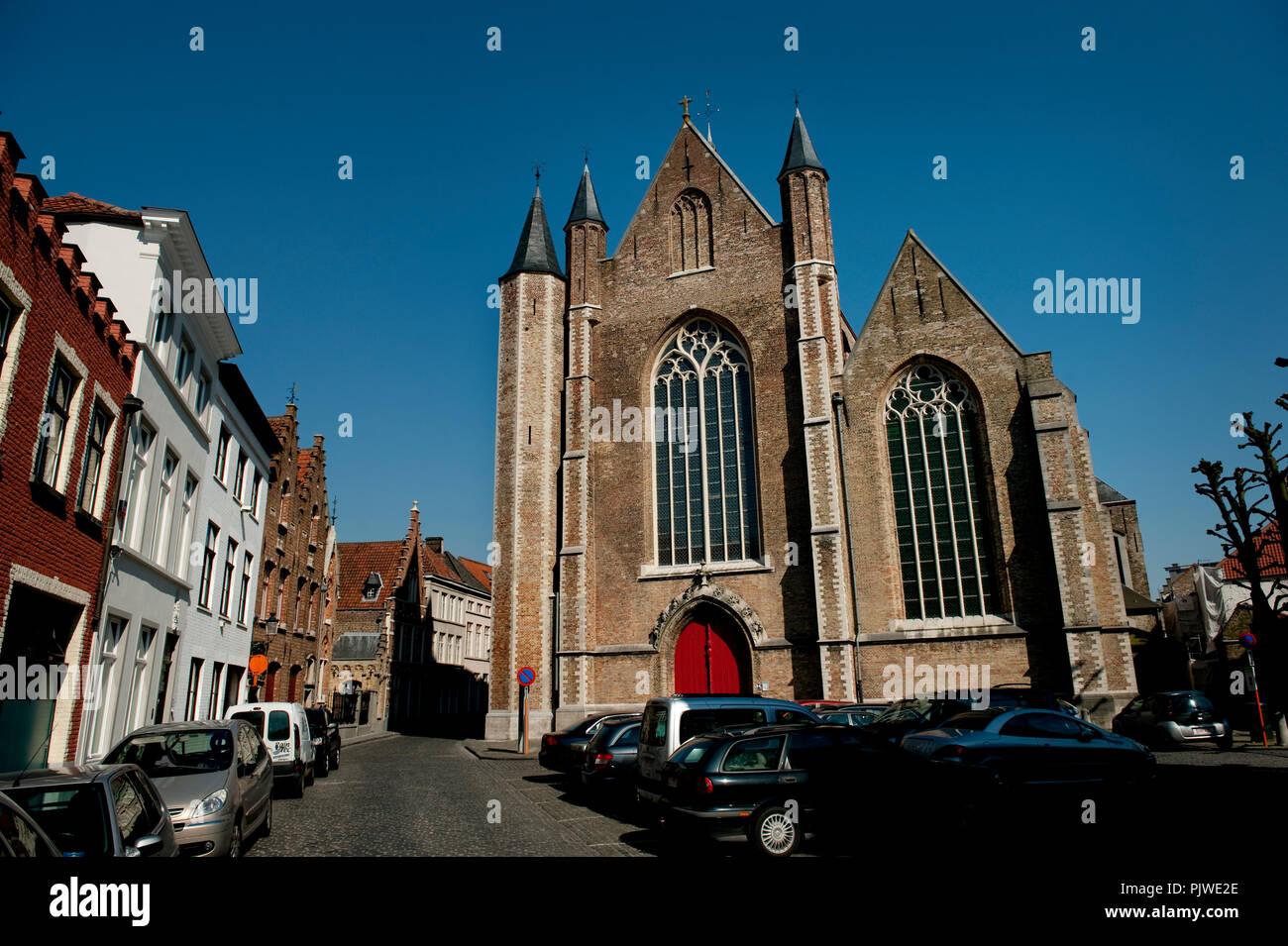
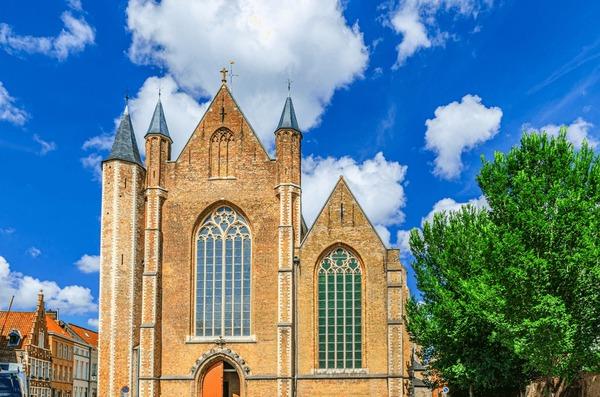
St. James's Church stands as a landmark destination for travelers exploring Bruges' medieval city center. Located just steps from the famous Markt square, this historic church attracts thousands of visitors each year with its remarkable architectural transformation. Built originally in 1420 and dramatically reshaped by 1459, the church represents a stunning journey through architectural periods - from medieval Gothic foundations to its current baroque interior. Tourists often stop by to admire its intricate sculptures, stained glass windows, and rich historical significance. The church sits in a prime location that makes it easy to combine with other nearby attractions, drawing art history buffs, architecture enthusiasts, and cultural travelers. While not as massive as some Belgian cathedrals, St. James's Church offers an intimate glimpse into Bruges' religious and artistic heritage. Photography lovers find multiple interesting angles both inside and outside the church, with its stone facade and detailed architectural elements providing excellent backdrops for travel memories. Weekend crowds tend to be larger, with guided tour groups frequently exploring its interior and learning about the church's 600-year history.
Top things to do at St. James's Church
- Admire the tomb of Mary of Burgundy, a significant historical artifact located inside the church
- Explore the baroque-style interior with its elaborate altar and intricate wood carvings
- View the impressive collection of 17th and 18th-century religious artwork and sculptures
- Check out the church's historic organ, which dates back to the 18th century and is still used for musical performances
- Visit the side chapels featuring detailed stained glass windows that showcase biblical scenes
- Take a moment to observe the church's architectural transition from Gothic to baroque design
- Attend a classical music concert or organ recital often hosted in the church's acoustically rich interior
- Photograph the church's exterior, which offers a perfect example of Bruges' medieval architectural heritage
History of St. James's Church
- 1420: Original church construction begins in medieval Bruges
- 1459: Major expansion completes the church's structural framework
- Late 17th century: Interior renovation begins, transitioning to baroque architectural style
- Early 18th century: Baroque interior design fully implemented
- 1839: Significant restoration work preserves the church's historical integrity
- 1975: Designated as a protected historical monument by Belgian cultural heritage authorities
- 2000: Comprehensive restoration of artworks and interior decorations completed
Cultural Significance
St. James's Church represents more than a religious site - it's a symbol of Bruges' rich cultural heritage. The church has been a central gathering place for local communities for centuries, reflecting the city's deep Catholic traditions. Its architectural evolution mirrors Bruges' historical transitions, from medieval Gothic foundations to sophisticated baroque interiors. The church continues to play a crucial role in local religious ceremonies and serves as an important historical landmark that attracts international tourists and researchers interested in Belgian architectural and religious history.
Tips for Visitors
- Bring comfortable walking shoes for exploring the church's interior
- Photography is allowed, but without flash to preserve artwork
- Consider hiring a local guide for deeper historical insights
- Check service schedules to avoid disrupting religious activities
- Modest clothing recommended (covered shoulders and knees)
- Allow at least 1-2 hours for a thorough visit and appreciation of details
- Purchase tickets in advance during peak tourist season
Tickets
Entry to St. James's Church typically costs between 5-8 euros for adults. Reduced rates are available for students and seniors. Guided tour packages range from 12-15 euros. Tickets can be purchased online through the church's official website or at the entrance. During summer months, online pre-booking is recommended to guarantee entry.
What are some interesting facts about St. James's Church?
- The church houses the tomb of Mary of Burgundy, a significant historical figure who was one of the most powerful women in European history during the 15th century
- St. James's Church contains an original 18th-century baroque organ that is still functional and occasionally used for classical music performances
- During the French Revolution, the church was temporarily used as a storage warehouse, which helped preserve many of its original artifacts and architectural elements