
Gentpoort: Bruges' Medieval Gateway to History
July 07, 2025

I spent about an hour exploring Gentpoort, walking through the same medieval passageway used by merchants centuries ago and examining the fascinating local history museum inside. The Saint Adrian statue and evening illumination made the experience truly memorable, especially when contrasting the gate's defensive past with its current peaceful museum setting.
Where medieval defense meets urban storytelling, Gentpoort reveals Bruges' hidden layers beyond its picturesque canals. Step through a gateway that once protected an entire city and discover the secrets whispered by centuries-old stone walls.
Need-to-Know Info Before Visiting Gentpoort
5+
images
Gentpoort Address
Gentpoortstraat, 8000 Bruges, Belgium
Gentpoort Opening Hours
- 🕒 Tuesday-Sunday: 10 AM - 5 PM
- 🕒 Closed on Mondays
- 🕒 Extended summer hours (June-August)
How to get to Gentpoort
- 🚗 By car: Park near Bruges city center, 5-minute walk
- 🚌 Public transport: Bus routes 3 and 6 stop nearby
- 🚕 Rideshare: Uber and local taxi services available
What is Gentpoort known for?
- One of four remaining medieval city gates in Bruges
- Houses a small local history museum documenting city's defensive structures
- Features a statue of Saint Adrian, protector against plague
- Historic passageway for merchants and travelers
- Beautifully illuminated during evening hours
What is Gentpoort in Bruges?
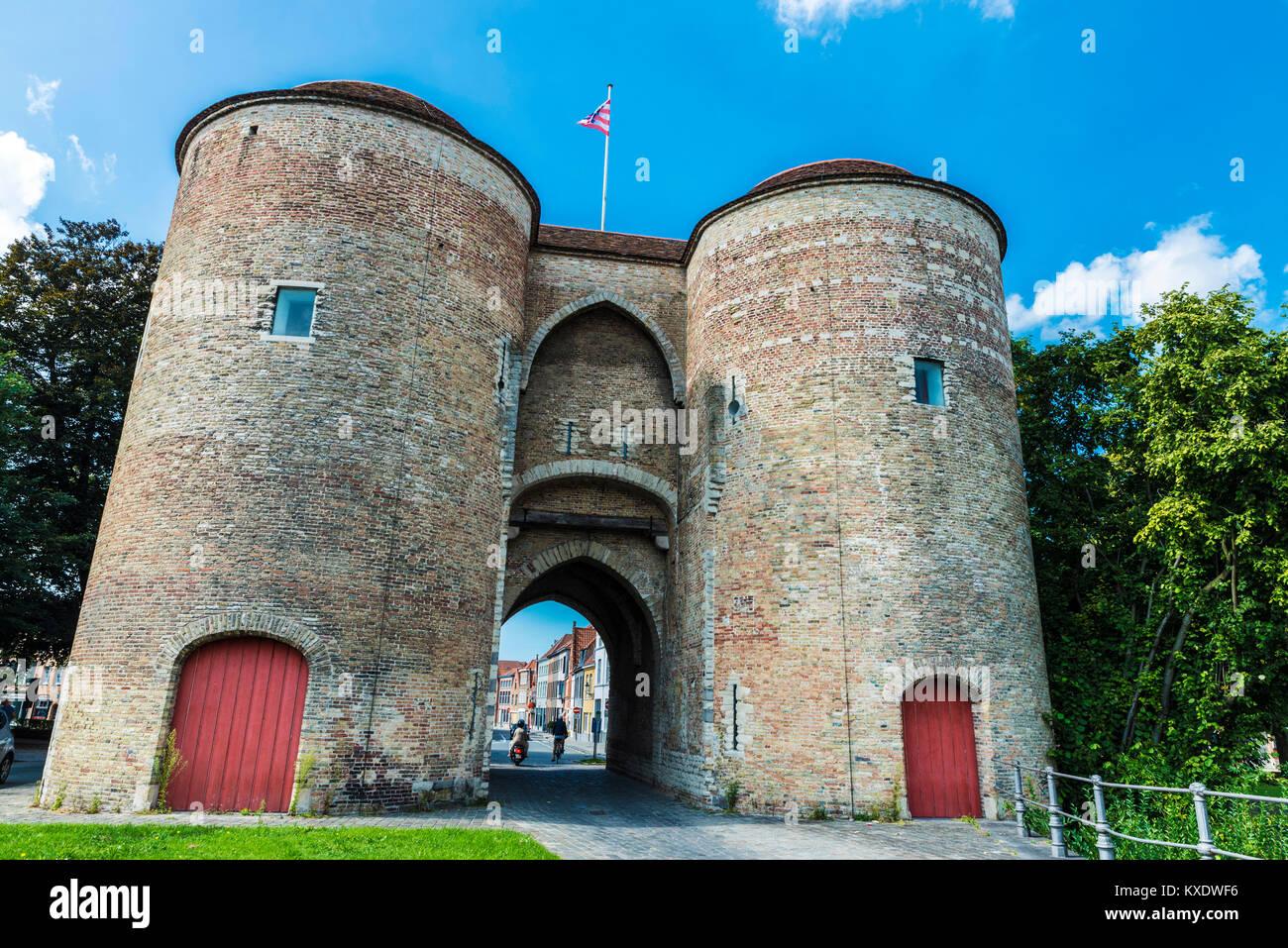
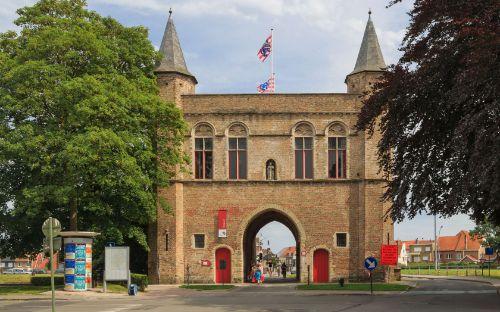
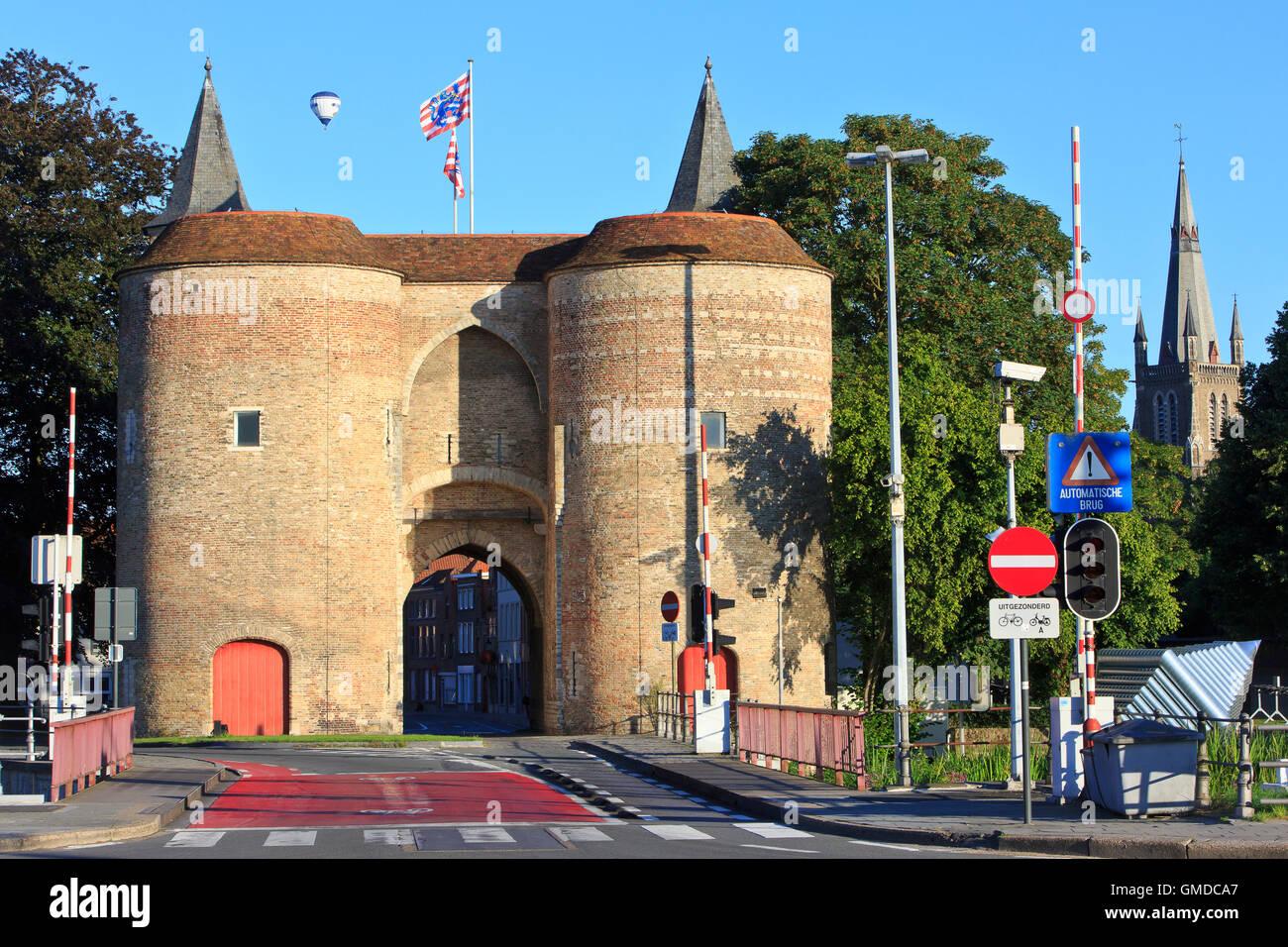
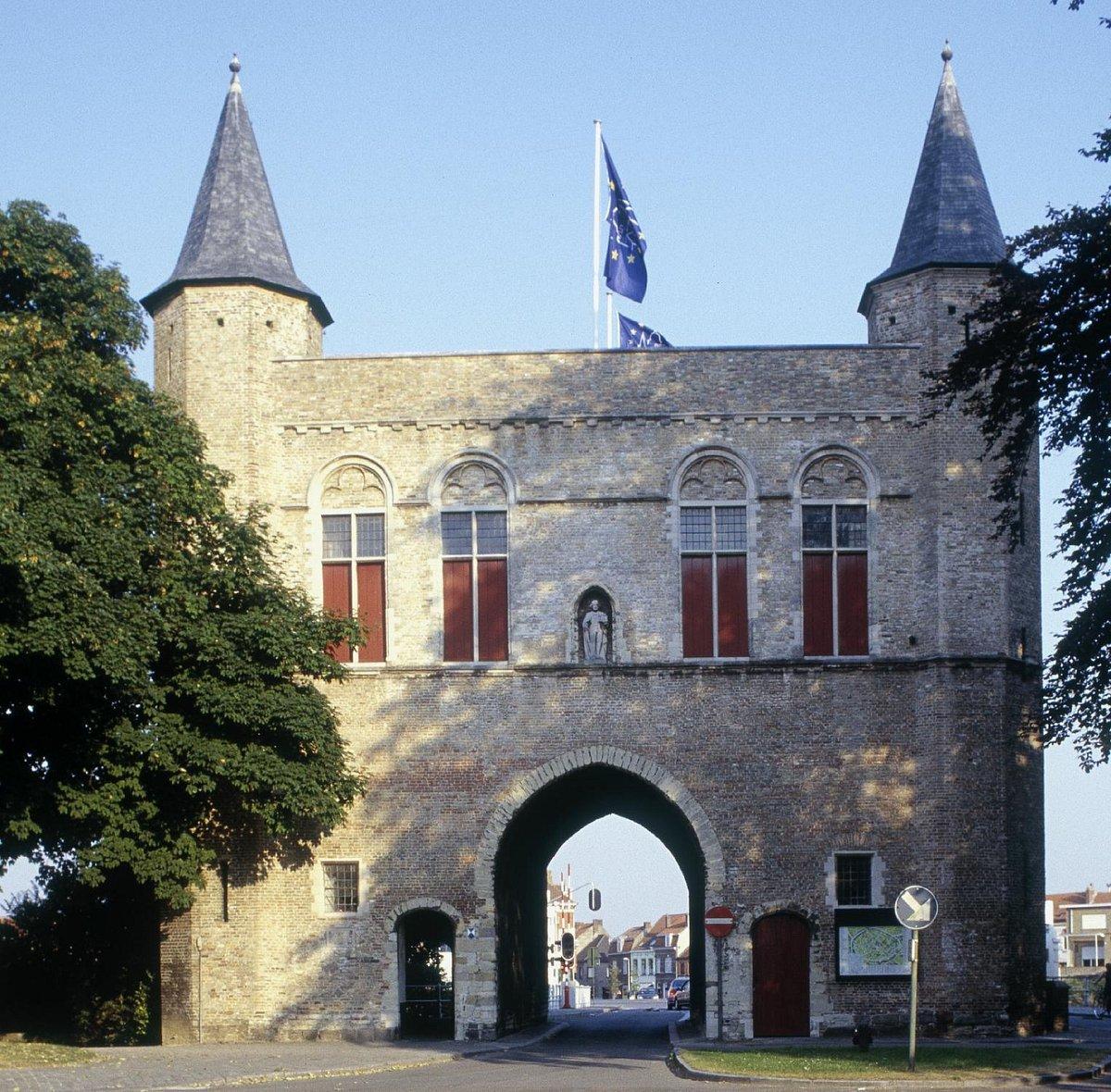
Tucked into the historic fabric of Bruges, Gentpoort stands as a time capsule of medieval city planning. This stone gateway represents one of the last four surviving medieval entrances to the city, transforming from a strategic defensive structure to a fascinating local history museum. Travelers can walk through the same passageway once used by merchants, travelers, and townspeople centuries ago, now offering a direct connection to Bruges' urban heritage. The gate's architecture tells a story of protection and commerce, with its thick stone walls and strategic location highlighting how cities once controlled movement and trade. Tourists frequently stop to photograph the Saint Adrian statue nestled in the gate's niche, a testament to the medieval belief in divine protection against diseases. While not as crowded as Bruges' central squares, Gentpoort attracts history buffs and architecture enthusiasts seeking an authentic glimpse into the city's defensive past. The evening illumination transforms the gate into a dramatic landmark, casting soft light on its historic stonework and creating a memorable scene for night photographers and wandering tourists.
Top things to do at Gentpoort
- Explore the small local history museum inside the medieval gate, showcasing Bruges' defensive structures and urban development
- Photograph the Saint Adrian statue in the gate's upper niche, a historical symbol of medieval protection against plague
- Walk through the original medieval passageway, experiencing the same route used by merchants and travelers centuries ago
- Visit during evening hours to see the gate dramatically illuminated, creating a stunning photographic opportunity
- Learn about the gate's role in Bruges' medieval city defenses through informative exhibits and architectural details
- Compare Gentpoort with the city's other three remaining medieval gates to understand Bruges' historic urban planning
Tickets and Pricing
Admission to Gentpoort is budget-friendly, with ticket prices around €6 for adults and reduced rates for students and seniors. Children under 12 enter free. Tickets can be purchased directly at the museum entrance or online through the Bruges Tourism website. No fast-track options are available, but wait times are typically short. The museum is included in the Bruges City Museum Pass, which offers excellent value for travelers planning to visit multiple attractions.
History of Gentpoort
- 13th Century: Initial construction of the medieval city gate as part of Bruges' defensive wall system
- 14th Century: Served as a critical entry point for merchants and travelers entering the city
- 15th Century: Saint Adrian statue added to the gate, symbolizing protection against plague and disease
- 16th Century: Continued use as a strategic defensive and commercial entry point
- 19th Century: Transition from military function to historical landmark
- 1940s: Designated as a protected historical monument
- 1990s: Converted into a small local history museum showcasing Bruges' medieval urban development
Tips for Visitors
- Wear comfortable walking shoes as the museum involves walking on uneven medieval stone surfaces
- Bring a light jacket, as the stone structure can be cool inside
- Allow approximately 45-60 minutes for a complete visit and exploration
- Photography is permitted inside the museum, but flash is not allowed
- English audio guides are available for rent at the entrance
- The museum has limited accessibility for visitors with mobility challenges due to its historical nature
What are some interesting facts about Gentpoort?
- Local legends claim the Saint Adrian statue was believed to ward off not just plague, but also protect merchants from bad trade deals and potential robberies
- The gate's stone walls contain hidden markings from medieval stonemasons, serving as personal signatures and quality control marks that most tourists never notice
- During medieval times, the niche above the roadway was sometimes used as an impromptu announcement board for city proclamations, making it an early version of a public communication system