
Discover Bruges Folklore Museum: A Journey Through Local Traditions
August 10, 2025

I spent nearly two hours exploring the fascinating rooms and learning about traditional Belgian trades, with the sweetmaker demonstration being an unexpected highlight. The museum's proximity to Bruges city center made it easy to visit, and the interactive exhibits brought local history to life in a way I didn't expect.
Step into a living time capsule where 17th-century Belgian life unfolds in meticulously recreated trade rooms and hidden stories. Uncover the secrets of everyday life that museums rarely reveal, from a traditional classroom to a sweetmaker's workshop.
Need-to-Know Info Before Visiting Folklore Museum
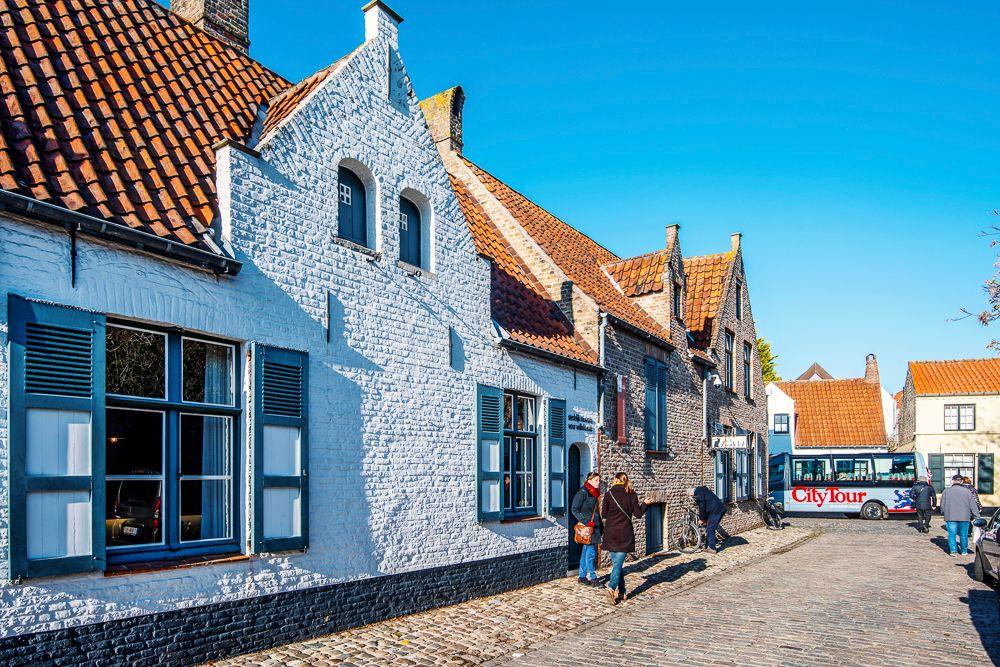
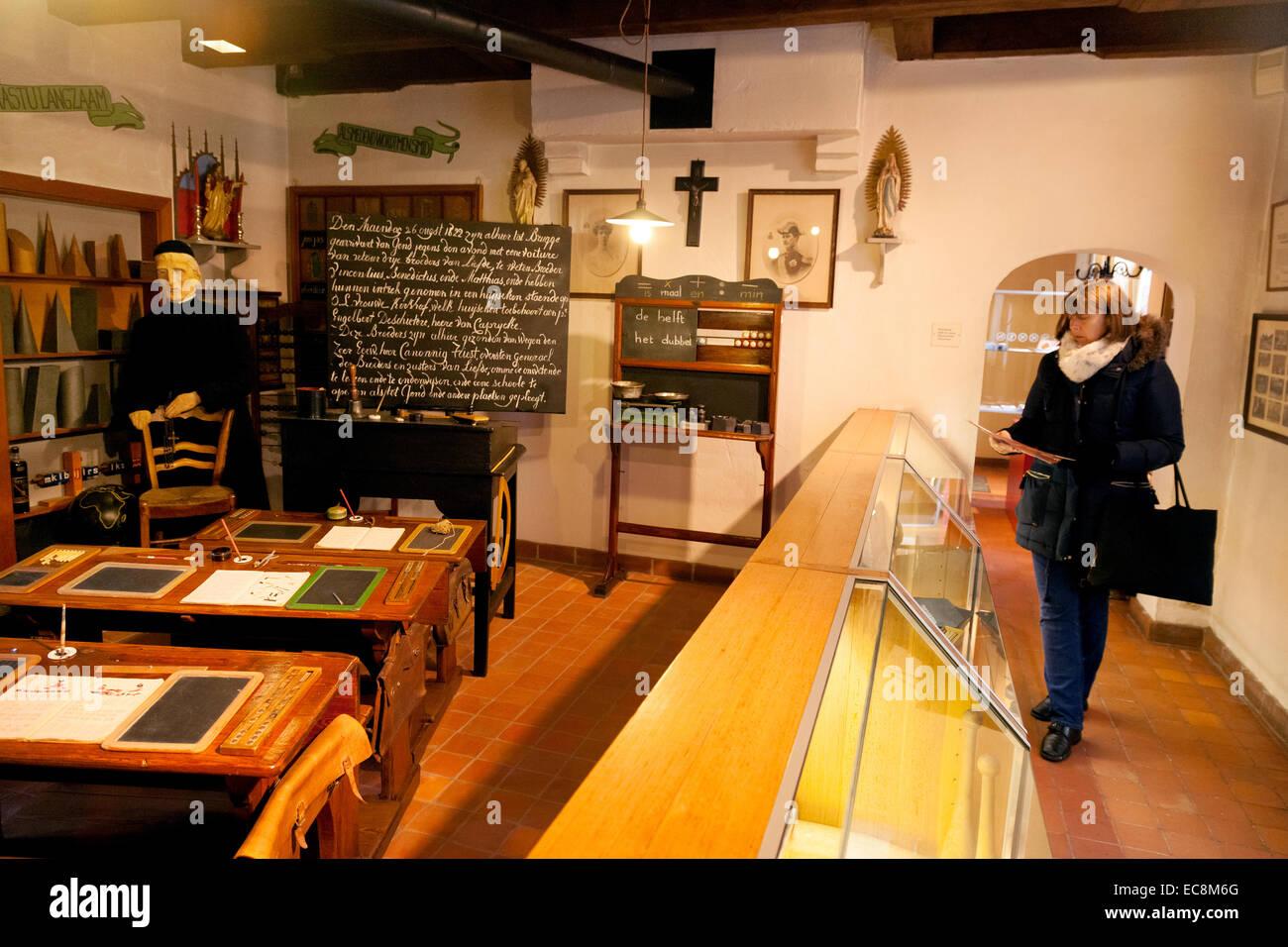
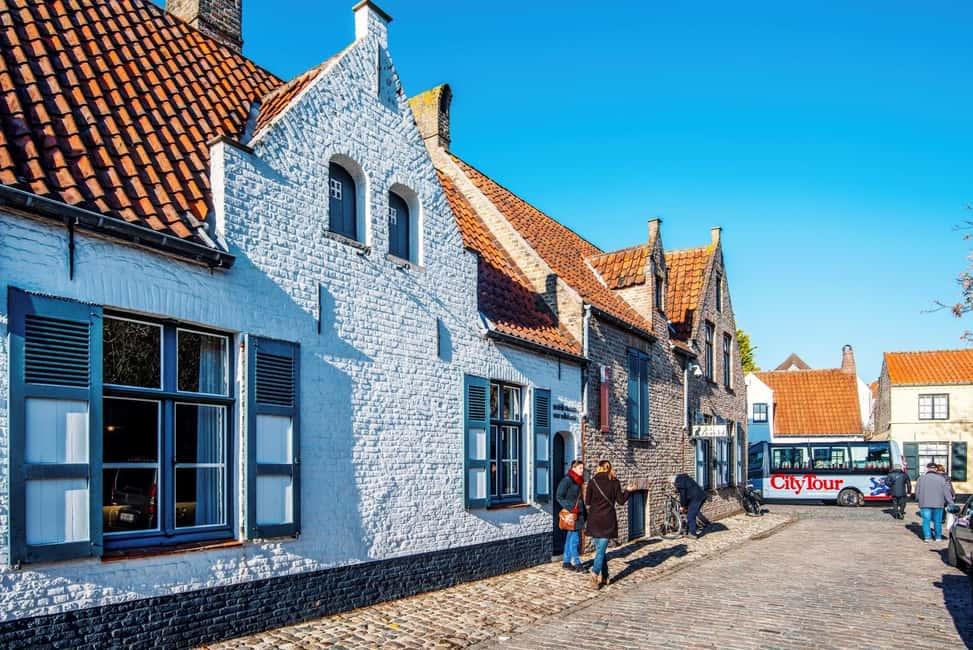
5+
images
Folklore Museum Address
Balstraat 43, 8000 Bruges, Belgium
Folklore Museum Opening Hours
- 🕒 Tuesday-Sunday: 9:30 AM - 5:00 PM
- 🕒 Closed on Mondays
- 🕒 Public holidays may affect operating hours
How to get to Folklore Museum
- 🚗 By car: Park at nearby city center parking zones
- 🚌 Public transport: Take buses 4, 6, or 16 to Markt square
- 🚕 Rideshare: Uber and local taxi services available
What is Folklore Museum known for?
- Showcases restored 17th-century single-room dwellings representing different traditional Belgian trades
- Features authentic interiors including a classroom, millinery, pharmacy, and grocery shop
- Displays an impressive historical lace collection on the upper floor
- Offers traditional folk game demonstrations on museum terrace
- Hosts monthly sweetmaker ('spekkenbakker') demonstrations
What is Folklore Museum in Bruges?
The Bruges Folklore Museum transforms a cluster of restored 17th-century buildings into a time capsule of Belgian local life, drawing thousands of travelers each year who want to peek behind the scenes of historical Belgian culture. Located in the heart of Bruges' historic district, this museum breaks away from typical exhibition spaces by recreating entire rooms and trades that defined everyday life centuries ago. Visitors walk through meticulously reconstructed spaces like a traditional classroom, pharmacy, grocery store, and bedroom, each telling a story of Belgian social history without relying on dusty artifacts. The museum's upper floor houses a remarkable lace collection that showcases Belgium's textile craftsmanship, while the ground floor offers interactive experiences like traditional folk game demonstrations. What sets this museum apart is its commitment to living history - with monthly sweetmaker demonstrations and a charming garden terrace where guests can experience traditional pastimes. Photography enthusiasts find multiple opportunities to capture authentic historical interiors, making it a top stop for travelers interested in understanding Belgium's cultural roots beyond the typical tourist attractions.
Top things to do at Folklore Museum
- Explore meticulously reconstructed 17th-century trade rooms, including a traditional classroom, millinery, pharmacy, and grocery shop
- Visit the upper floor to admire the extensive historical Belgian lace collection, showcasing intricate textile craftsmanship
- Attend monthly 'spekkenbakker' (sweetmaker) demonstrations on the first and third Thursdays, learning traditional Belgian confectionery techniques
- Relax at the museum's inn 'De Zwarte Kat' (The Black Cat) and enjoy the peaceful garden terrace
- Play traditional Belgian folk games on the museum's outdoor terrace, experiencing interactive historical entertainment
- Photograph authentic historical interiors and traditional Belgian trade settings, capturing the essence of 17th-century daily life
Tickets
Entry to the Bruges Folklore Museum costs approximately €10 for adults, with reduced rates for students and seniors. Tickets can be purchased online through the museum's official website or directly at the entrance. Bruges City Pass holders receive free admission. Online booking is recommended during peak tourist seasons to guarantee entry and avoid potential queues.
History of Folklore Museum
- 17th Century: Original buildings constructed as single-room dwellings in historic Bruges
- Late 20th Century: Buildings carefully renovated and transformed into a folklore museum
- 2000: Museum officially opened to showcase traditional Belgian trades and daily life
- 2010: Major renovation to improve exhibition spaces and visitor experience
- 2020: Digital interactive elements added to enhance historical displays
Cultural Significance
The Folklore Museum represents a critical preservation of Belgian local heritage, documenting everyday life in Bruges during the 17th and 18th centuries. By recreating authentic trade spaces and living environments, the museum offers insights into social structures, economic activities, and cultural practices that shaped Belgian community life. It serves as an educational resource for understanding local traditions and social evolution.
Tips for Visitors
- Allocate at least 1-2 hours for a comprehensive museum experience
- Wear comfortable walking shoes as the museum involves walking through multiple rooms
- Photography is permitted, but without flash to preserve historical exhibits
- Check website for monthly 'spekkenbakker' (sweetmaker) demonstration schedules
- The museum has limited accessibility for wheelchair users - contact ahead for specific accommodations
- Bring a light jacket as indoor temperatures might be cooler to preserve artifacts
What are some interesting facts about Folklore Museum?
- The museum's inn 'De Zwarte Kat' (The Black Cat) is named after a local folklore legend about a mysterious black cat that supposedly brings good luck to Bruges residents
- The lace collection on the upper floor includes pieces dating back to the 16th century, representing some of the most intricate textile work in Belgian history
- Local artisans were directly involved in recreating the historical trade rooms, ensuring each space authentically represents the specific profession and era