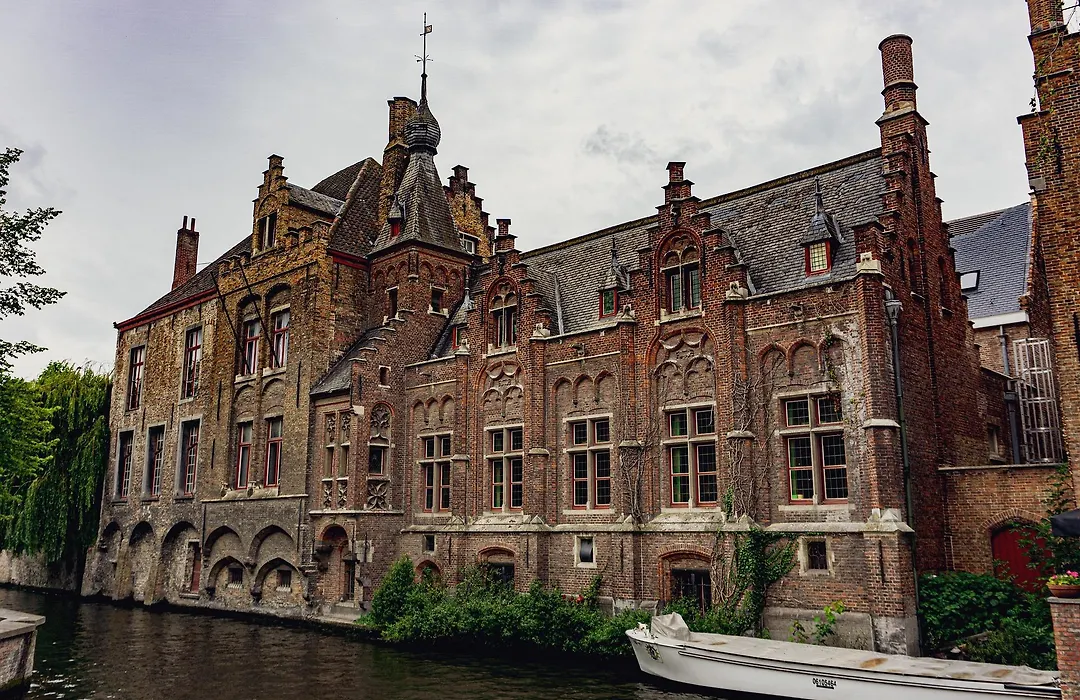
Church of Our Lady: Bruges' Gothic Architectural Marvel
July 22, 2025

I spent nearly two hours exploring the Church of Our Lady, completely mesmerized by Michelangelo's Madonna and Child sculpture and the intricate historical artifacts. The church is easily accessible from Bruges' central Markt Square, with friendly staff and an incredible collection that brings medieval history to life.
Hidden in the heart of Bruges, the Church of Our Lady harbors the only Michelangelo sculpture to ever leave Italy during the artist's lifetime. Step inside a Gothic masterpiece where royal tombs and centuries-old art whisper secrets of medieval European power.
Need-to-Know Info Before Visiting Church of Our Lady Bruges


5+
images
Church of Our Lady Bruges Address
Dijver 9, 8000 Brugge, Belgium
Church of Our Lady Bruges Opening Hours
- 🕒 Monday-Saturday: 9:30 AM - 5:00 PM
- 🕒 Sunday: 1:00 PM - 5:00 PM
- 🕒 Closed on major holidays
How to get to Church of Our Lady Bruges
- 🚗 By car: Park at Centrum parking near Markt Square
- 🚌 Public transport: Bus routes 1, 4, and 6 stop nearby
- 🚕 Rideshare: Uber and local taxi services available
What is Church of Our Lady Bruges known for?
- 115-meter high brick tower representing exceptional medieval craftsmanship
- Houses Michelangelo's rare Madonna and Child sculpture, the only work by the artist to leave Italy during his lifetime
- Contains historic tombs of Mary of Burgundy and Charles the Bold
- Gothic architectural masterpiece dating back to the 13th century
- Significant art collection featuring 13th-century painted sepulchres and medieval artworks
What is Church of Our Lady Bruges in Bruges?
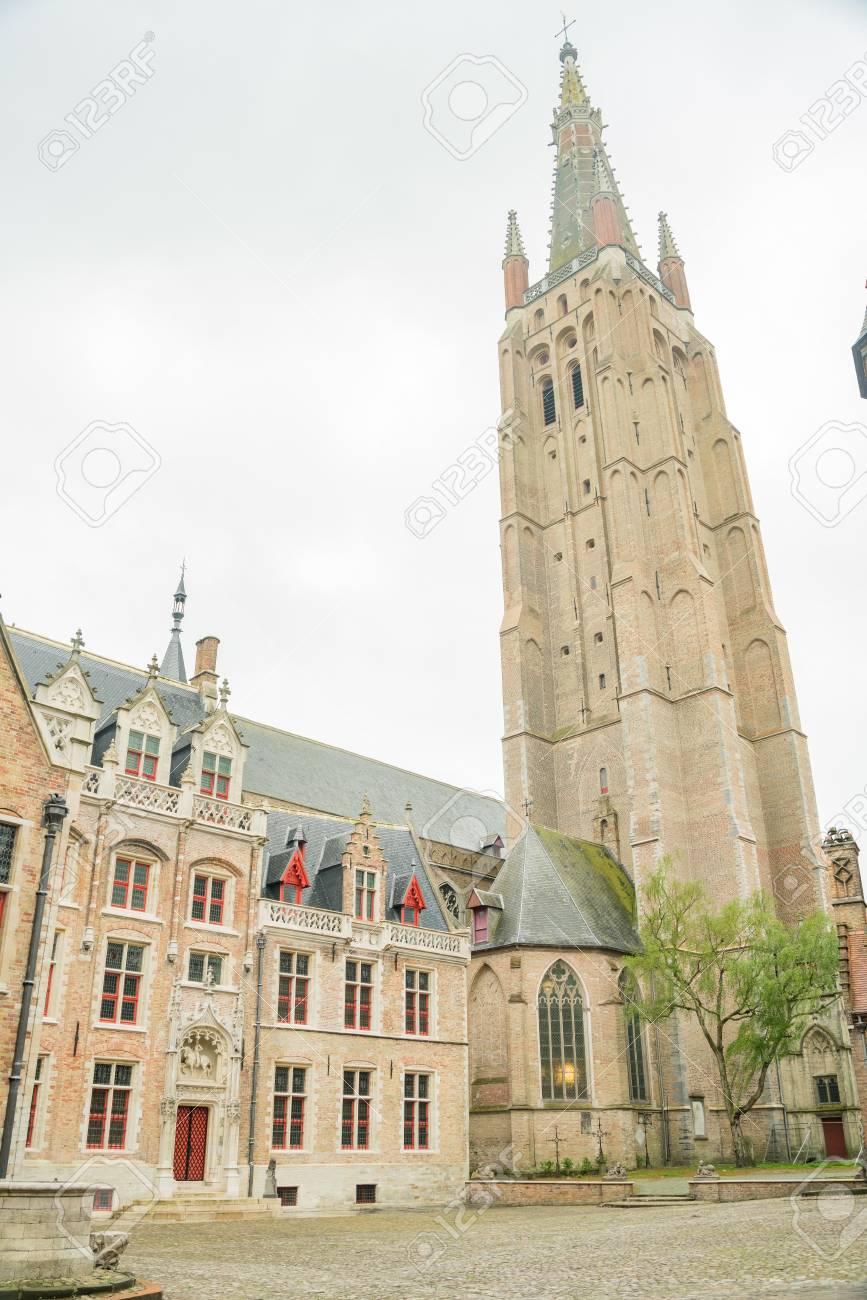
Towering over Bruges' medieval landscape, the Church of Our Lady stands as a top destination for art and history enthusiasts from around the world. Travelers flock to this Gothic landmark to witness its jaw-dropping 115-meter brick tower, which dominates the city's skyline and serves as a testament to Belgian architectural mastery. Photography buffs and cultural tourists crowd around the church's exterior and interior, drawn by its extraordinary collection of artistic treasures. The church's main attraction is Michelangelo's Madonna and Child - a rare sculpture that holds the distinction of being the only Michelangelo work to leave Italy during the artist's lifetime. Tourist groups typically spend between 45-90 minutes exploring the church, capturing photos of its historic tombs, medieval artwork, and the stunning Pieter Pourbus paintings. Located in the heart of Bruges' historic center, the church attracts approximately 250,000 visitors annually, making it one of the most significant cultural sites in Belgium. The church isn't just a religious building - it's a living museum that connects visitors directly to medieval European art and royal history through its carefully preserved artifacts and architectural details.
Top things to do at Church of Our Lady Bruges
- Admire Michelangelo's Madonna and Child sculpture, the only Michelangelo work to leave Italy during his lifetime
- Explore the church's treasury section to view 15th and 16th-century artworks and historical artifacts
- Visit the tombs of Charles the Bold and Mary of Burgundy, key historical figures in Burgundian and Habsburg history
- Study the Adoration of the Shepherds painting by Pieter Pourbus, a significant work in the church's art collection
- Climb the 115-meter brick tower for panoramic views of Bruges' medieval cityscape
- Attend a guided tour to learn about the church's 13th-century Gothic architecture and historical significance
🎟️ Tickets and Entry
Entry to the Church of Our Lady costs 6 euros for adults, with reduced rates for seniors and students. Tickets can be purchased directly at the church entrance or online through the official Bruges tourism website. Children under 12 enter for free. Audio guides are available for an additional 3 euros and are recommended for those wanting detailed historical context about the church's art and architecture.
👕 Dress Code
As an active place of worship, visitors should dress respectfully. This means covering shoulders and knees. No tank tops, shorts, or revealing clothing. Photography is permitted but without flash to preserve the artwork and maintain a reverent atmosphere.
📅 Best Time to Visit
Spring and early autumn offer the most comfortable temperatures and fewer tourist crowds. Weekday mornings before 11 AM provide the most peaceful experience. Avoid major religious holidays and summer peak tourist season when the church gets extremely crowded. Winter visits can be atmospheric but cold, with limited daylight for appreciating architectural details.
History of Church of Our Lady Bruges
- 13th century: Original church construction begins
- 1504: Michelangelo creates Madonna and Child sculpture
- 15th-16th centuries: Tombs of Mary of Burgundy and Charles the Bold added
- 2015: Church reopens after extensive renovations
- Present day: Major cultural and historical landmark in Bruges
Cultural Significance
The Church of Our Lady represents more than a religious site - it's a symbol of Bruges' medieval heritage and artistic excellence. The Michelangelo sculpture and royal tombs connect the city to broader European historical narratives, showcasing Bruges' past importance as a center of trade, art, and political power.
❗ Visitor Tips
- Allow at least 90 minutes for a comprehensive visit
- Wear comfortable walking shoes
- Bring water and a light jacket
- Book tickets online during peak tourist season to avoid lines
- Consider joining a guided tour for deeper historical insights
- Restrooms are available but limited - use facilities before entering
What are some interesting facts about Church of Our Lady Bruges?
- The church's tower is so precisely constructed that medieval engineers calculated its height to be exactly 115 meters, making it one of the most mathematically accurate medieval structures in Belgium
- Local legend claims that Michelangelo's Madonna and Child sculpture was gifted to Bruges after a wealthy merchant impressed the artist during his travels in Italy
- During World War II, the church secretly protected several important art pieces from Nazi looting, hiding them in underground chambers unknown to occupying forces